If it feels like it never rains, it’s not your imagination. Rainfall data from May 15 – June 21 of this year show that Minnesota is experiencing all-time precipitation lows for all regions of the state. Even with the recent rain last weekend, yards and farm fields are brutally dry and turfgrass lawns are really showing the effects.

Many local communities have had to enact strict watering restrictions to ensure that there is enough water in municipal supplies for fire protection, drinking water supply, and other needs. Lake Elmo recently announced that water levels in its community water tower are at record lows due to people violating these restrictions, which has forced the city to hand out hundreds of tickets per week to combat the challenge.
Lawn irrigation creates the largest demand from municipal water supplies during the summer. What can you do to keep your yard looking good, without draining the water supplies we all depend on?
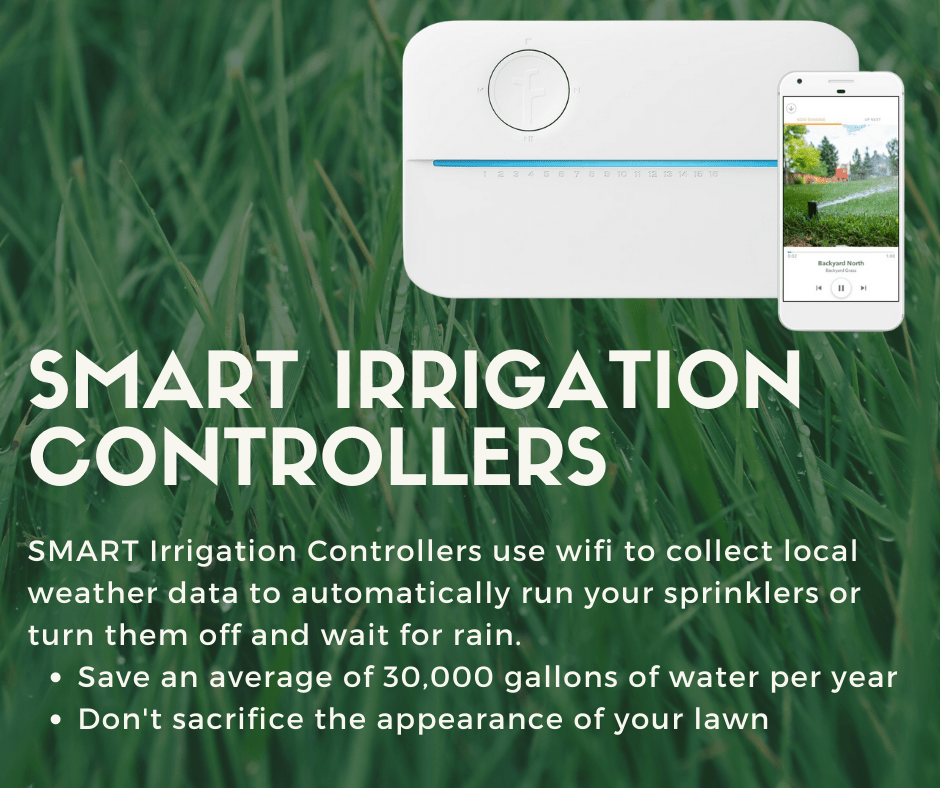
If you have an automated system, make sure it has a SMART irrigation controller installed to avoid wasting water. SMART controllers come with a wifi insert that connects to an app on your phone and collects weather data from the nearest station in your area. The controller uses this data to determine when to turn on the sprinklers and when to wait for rain.On average, these systems save 30,000 gallons of water per household per year. Check to see if your city offers financial incentives to help homeowners purchase and install SMART irrigation controllers. Some cities also offer grants to larger commercial campuses and homeowner associations to conduct irrigation audits and implement water-saving measures.
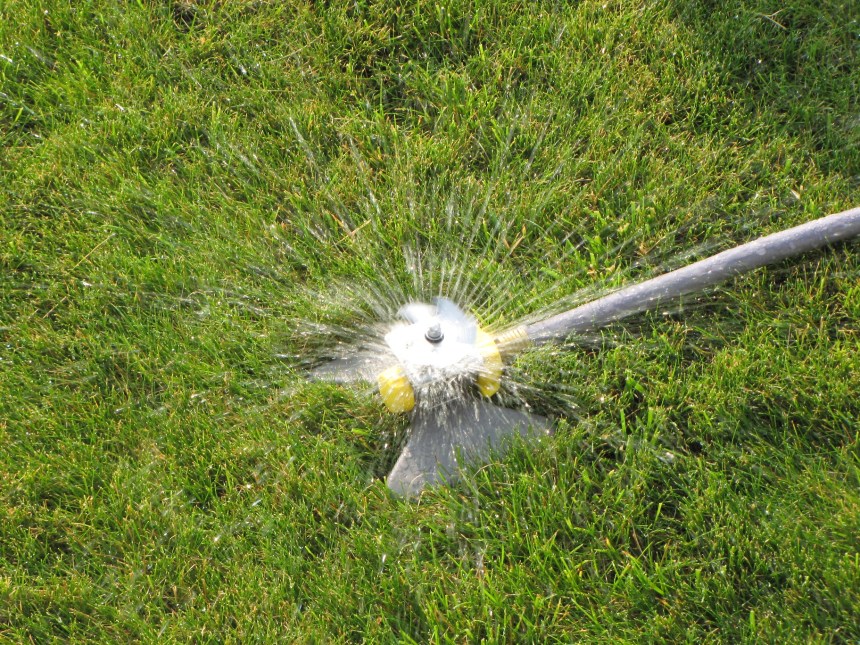
Lawns should get NO MORE than 1 inch of water per week. For best results, this should be spread out into twice a week watering, with ½ inch of water each time. If you want an easy trick to measure how much water you’re using, place an empty tuna can in your yard while the sprinkler is running and turn off the water when the can is half full (approx. ½ in).
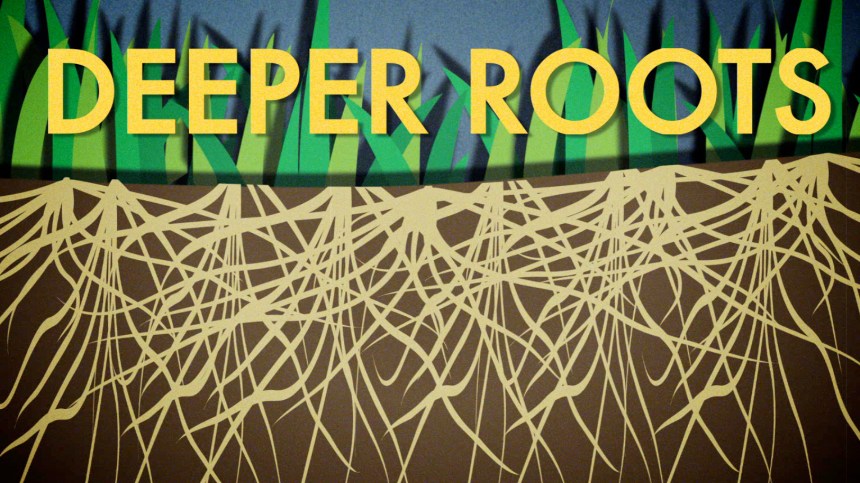
Taller grass is more drought resistant. Reduce or discontinue mowing during drought conditions to avoid injuring the grass. Allow your grass to grow 4-inches tall to promote deeper roots.

Slow-growing fine fescue grasses are more resistant to drought than the more-commonly used Kentucky bluegrass. Because they grow slowly, fine fescues are also ideal for “low-mow” lawns. Of the fine fescue varieties, hard fescue is the most drought tolerant. Clover, creeping thyme, and self-heal, which are all used in bee lawns, are also able to tolerate drought and stay green when other lawns are brown. Visit www.mnwcd.org/lawn-care to download info about low-mow and bee lawns.

Replace non-active use lawn areas with native plantings. As an example, I’ve replaced the boulevard strip between our sidewalk and the street with low-growing native prairie plants that can tolerate heat, cold, and drought. Even though some of the plants are flowering less this year due to the drought, they’ve managed to stay green without any irrigation while lawns around town are crisp and brown. For more info about planting native, go to www.mnwcd.org/planting-for-clean-water.

 East Metro Water